Beyond Your Walls: Protecting the Other Stuff in Your California Yard
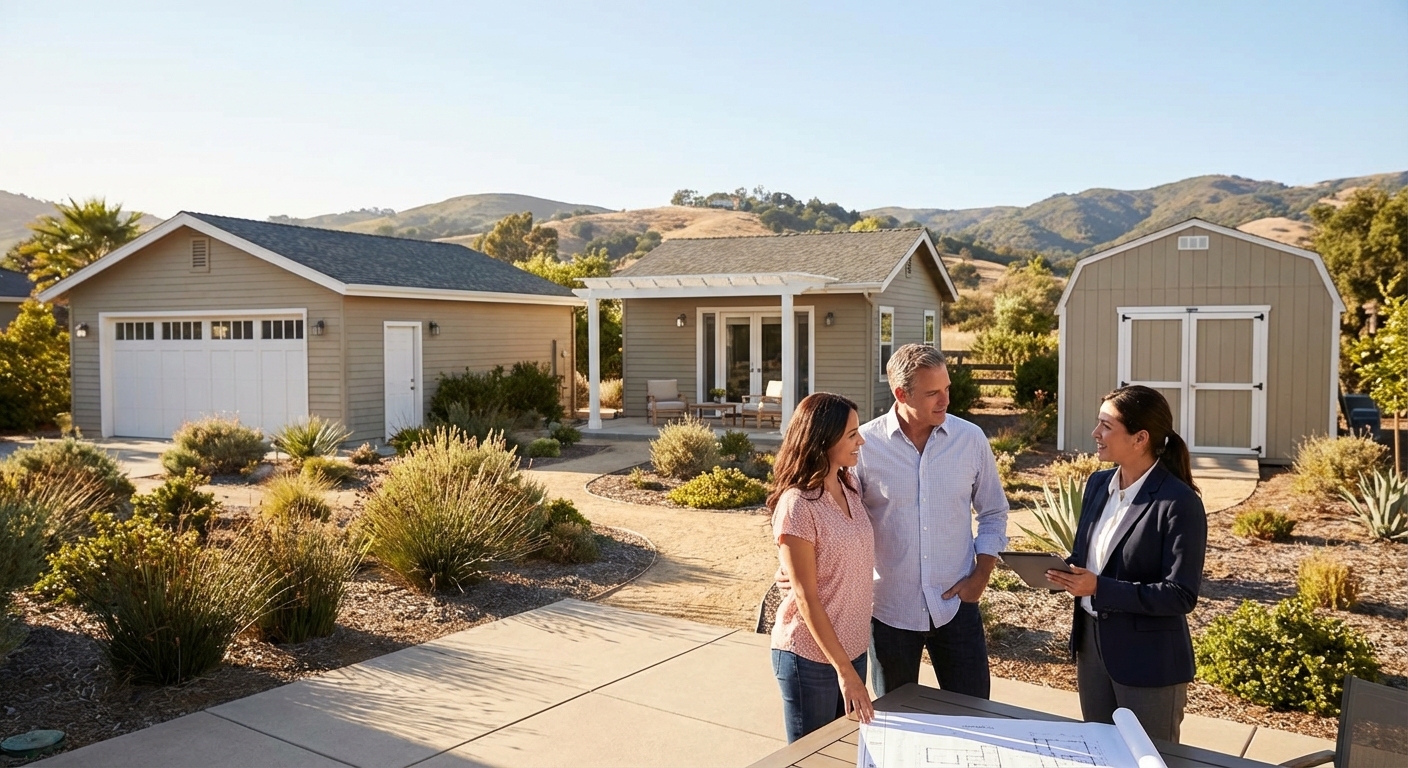
Picture your backyard. You’ve got that charming little shed where you keep your tools, maybe a new detached garage for your classic car, or even a fancy gazebo where you enjoy your morning coffee. Perhaps you’ve built a whole Accessory Dwelling Unit (ADU) – a granny flat – out back for family or to rent out. Most folks think about their main house when they consider home insurance. They focus on the big dwelling, the four walls they sleep in. But what about all those other structures that make your property truly yours?
For most California homeowners, that’s where “other structures” coverage comes into play. It’s a key piece of your home insurance puzzle, designed to protect those things that aren’t physically attached to your main home. It sounds simple enough. But here’s the thing: understanding what’s covered, how much you need, and the unique challenges of getting this coverage in California can feel like trying to solve a Rubik’s Cube blindfolded.
What Exactly Counts as an “Other Structure”?
When an insurance policy talks about “other structures,” it’s usually referring to anything on your property that stands apart from your main dwelling. Think of it this way: if you could pick up your house and move it, what would be left behind? That’s probably an “other structure.”
This can include a pretty wide range of things. Your detached garage, for instance, definitely falls under this. So does that storage shed, a standalone workshop, a pool house, or a guest house. Even a fancy pergola or a large, permanent dog kennel might qualify.
The Detached Rule
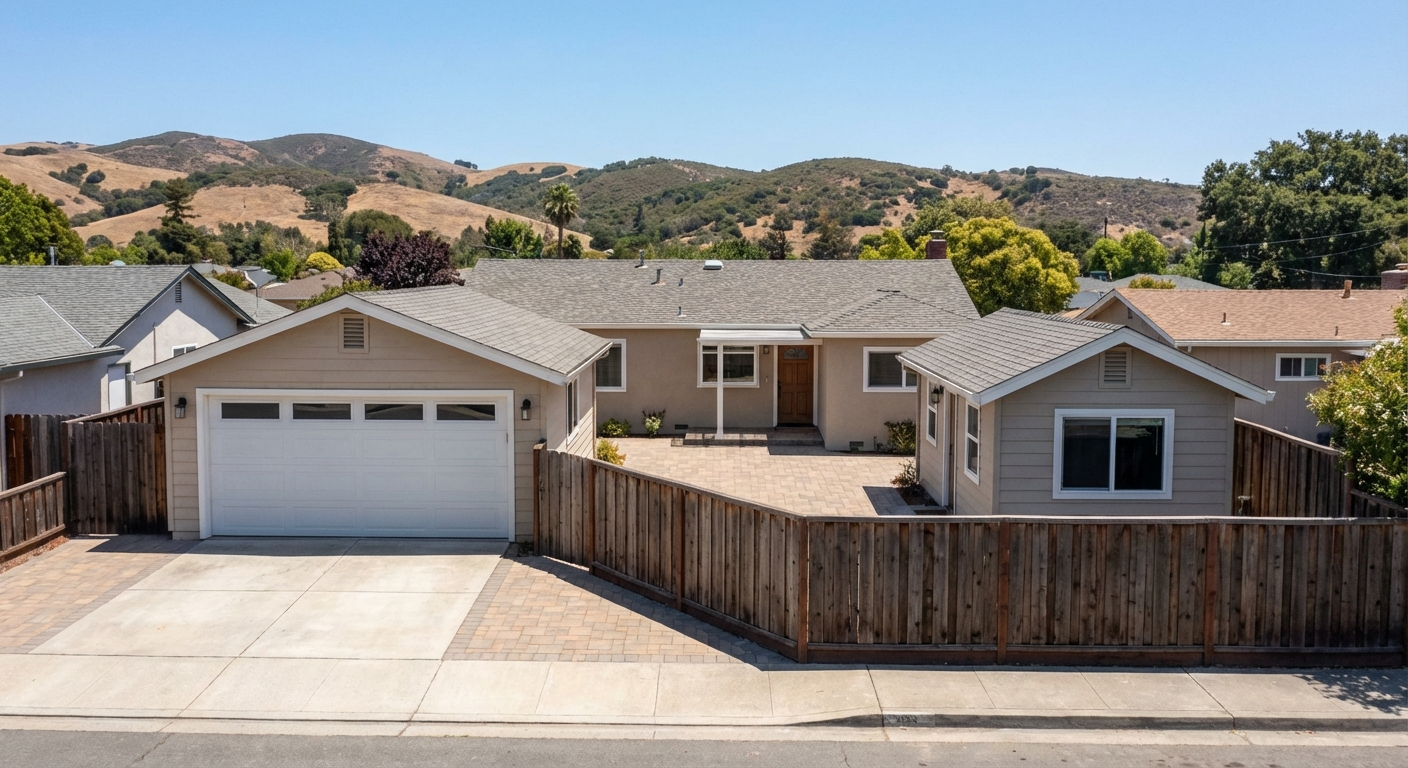
The big qualifier here is “detached.” If it’s physically connected to your main house – say, an attached garage or a deck bolted to the side of your home – it’s typically covered under your dwelling coverage, not “other structures.” This is a common point of confusion. A breezeway connecting your garage to your house? Sometimes that complicates things, and it’s worth a specific chat with your agent.
Fences and Driveways — Sometimes a Grey Area
What about your fence? Or that long, winding driveway leading up to your home? Generally, fences are considered “other structures” if they’re on your property. Driveways, too, often fall into this category. But wait — sometimes they’re lumped in with “land improvements” or have specific limits. It really depends on the exact policy language. In California, where property lines and shared fences are common, knowing who’s responsible for what can get messy quickly.
Why This Coverage Matters in California
California isn’t just sunshine and beaches. It’s also a place with unique risks. From the Santa Ana winds whipping through Ventura County to the wildfire threats in the Sierra foothills, your property faces specific challenges. Those “other structures” aren’t immune to these dangers.
Imagine a wildfire roaring through the hills above Glendale. Your main home might be saved by firefighters, but what if embers ignite your detached shed, or a falling tree crushes your new ADU? That’s a real and present danger for folks across the state. This coverage is designed to help you rebuild or repair those structures after a covered event, like a fire, windstorm, or vandalism.
The Wildfire Shadow
Honestly, wildfire is probably the biggest concern for many California homeowners right now. Premiums jumped 40% between 2022 and 2024 for some folks, largely because of the escalating fire risk. Insurers are looking at every structure on your property with a fine-tooth comb, assessing its vulnerability. If your detached workshop is surrounded by brush, that’s a different story than one nestled safely in a manicured lawn. The cost to replace these structures, especially if they’re custom-built or contain expensive equipment, can be astronomical.
What About Earthquakes?
Now, here’s an important distinction. While other structures coverage protects against many common perils, earthquakes are almost always excluded from standard home insurance policies – and that includes coverage for your main dwelling and other structures. If you want earthquake protection for your detached garage or guest house, you’ll need a separate earthquake policy, often from the California Earthquake Authority (CEA) or a private insurer. It’s a whole different ballgame, but one every California homeowner should consider.
How Much Coverage Do You Need?
Most standard home insurance policies offer other structures coverage as a percentage of your main dwelling coverage – typically around 10%. So, if your home is insured for $500,000, you’d automatically get $50,000 for your other structures.
The Standard 10% — Is It Enough?
The short answer is yes, sometimes. The real answer is more complicated. For many people with just a small shed or a simple fence, that 10% might be perfectly adequate. But what if you’ve invested $150,000 into a new ADU in your backyard in the Inland Empire? Or you have a large, custom-built workshop full of expensive tools? In those cases, $50,000 won’t even scratch the surface if disaster strikes.
Think about the actual cost to rebuild these structures from the ground up. Not what you paid for them years ago, but what it would cost *today* with current material and labor prices. Construction costs in California, especially in places like the Bay Area or Orange County, are notoriously high. You might need to increase your other structures coverage significantly beyond that standard 10%. Most policies allow you to do this for an additional premium.
Think About Replacement Cost, Not Cash Value
Just like with your main dwelling, you generally want “replacement cost” coverage for your other structures. This means the insurer pays to rebuild or repair the structure without deducting for depreciation. If you only have “actual cash value” coverage, they’ll deduct for wear and tear, leaving you with less money to rebuild and a bigger out-of-pocket expense. Always opt for replacement cost if it’s available and makes sense for your budget.
Factors Affecting Your Other Structures Coverage (and Premium)
Several things can influence how much you pay for this part of your policy, and sometimes, whether you can even get it.
First, the *type* of structure matters. A simple wooden shed is different from a fully plumbed and wired guest house. The construction materials, the size, and the internal components (like appliances in an ADU) all play a role.
Then there’s the *location* on your property. Is it close to your main home? Or is it out by the property line, potentially exposed to more risk? In high-brush areas, insurers really pay attention to the “defensible space” around *all* structures, not just your house.
The *value* of the structure is obvious. More expensive to rebuild means a higher potential payout, which means a higher premium.
But wait — the biggest factor, especially in California, is often the *overall risk profile* of your property. If you’re in a high-fire severity zone, getting coverage for *any* structure can be challenging.
The California Insurance Market — A Shifting Landscape
Getting home insurance in California has become a bit of a maze lately. Major insurers like State Farm and Allstate have pulled back or restricted new policies, especially in fire-prone areas. This doesn’t just affect your main dwelling coverage; it has a direct impact on other structures coverage too.
Insurers Pulling Back
When an insurer decides not to write new policies in certain areas, or raises rates dramatically, it’s a ripple effect. Fewer choices mean less competition, and often, higher prices for everyone. For some homeowners, finding a policy that adequately covers their ADU or workshop has become a real headache. It’s not uncommon for folks in places like Napa or Malibu to struggle to get the coverage they need.
The FAIR Plan Reality
If you can’t find coverage in the private market, California has a “last resort” option called the FAIR Plan. It’s better than nothing, but it’s often more expensive and offers more basic coverage. Sometimes, it has lower limits for “other structures” than a private policy might. This means you might need to combine a FAIR Plan policy with a “Difference in Conditions” (DIC) policy from a private insurer to fill in the gaps for things like theft, liability, or even higher “other structures” limits. It’s a complicated dance, and it’s why working with someone who understands this shifting market is so important.
Common Scenarios Where Other Structures Coverage Saves the Day
Let’s look at a couple of real-life examples to drive this home.
The Storm-Damaged Pergola
Down in San Diego, a sudden, intense winter storm – you know, the kind that surprises everyone – brought down a huge eucalyptus tree. It crushed your beautiful custom-built pergola. That pergola wasn’t attached to your house, but it was a significant investment. Without “other structures” coverage, you’d be looking at thousands of dollars out of pocket to remove the tree and rebuild your outdoor living space. With it, your policy helps cover the costs, minus your deductible. Big difference.
The Stolen Tools from Your Shed
Maybe you’re in Sacramento, and someone breaks into your detached shed, making off with all your expensive power tools. The damage to the shed itself – the broken door, the shattered lock – would fall under your “other structures” coverage. The stolen tools? Those would typically be covered under the “personal property” section of your home insurance policy. See how different parts of your policy work together?
Getting the Right Advice
Understanding all these moving parts – especially in California’s unique insurance market – isn’t something you should have to figure out alone. An independent insurance agent, someone who works with many different carriers, can really help untangle the complexities. They know the nuances of different policies and can help you find the best fit for your specific property and structures.
Someone like Karl Susman, with Affordable Home Insurance California, CA License #OB75129, has seen it all. He’s helped countless California homeowners navigate these waters, ensuring their sheds, ADUs, and fences are properly protected. Don’t guess when it comes to something this important.
Ready to see what options are out there for your California home and its valuable other structures? Get a quote today and get some peace of mind.
Frequently Asked Questions About Other Structures Coverage
Do I really need other structures coverage if I only have a small shed?
Yes, you absolutely should. Even a small shed can be expensive to replace if it’s damaged by fire or a storm. More importantly, if something *in* the shed causes damage (like a fire starting there), or someone gets hurt on your property near the shed, your liability coverage is usually tied to your overall home policy. It’s about protecting your assets, big or small.
What if I build a new ADU or workshop after I get my policy?
This is a common scenario in California! If you add a significant new structure, you *must* inform your insurance company or agent. Your existing “other structures” coverage might not be enough, and you’ll need to increase your limits to adequately protect your new investment. Failing to do so could leave you seriously underinsured if something happens.
Can I get more than the standard 10% coverage for my other structures?
Yes, almost always. If your detached garage, guest house, or other structures are worth more than the standard 10% of your dwelling coverage, you can usually purchase higher limits. It will increase your premium, but it’s a smart move to ensure you’re fully protected.
Does other structures coverage protect against flood damage?
No, typically not. Just like your main home, flood damage is almost always excluded from standard home insurance policies. If your property is in a flood zone, or even if it’s not but you’re concerned, you’ll need a separate flood insurance policy, often through the National Flood Insurance Program (NFIP).
Is my business equipment stored in a detached workshop covered?
This gets tricky. While the *structure* of your workshop is covered, expensive business equipment stored within it might have limited coverage under your standard home policy’s personal property section. Most home policies have low limits for business property. If you run a business out of your detached workshop, you might need a separate business insurance policy to properly protect your tools, inventory, and liability.
Protecting everything on your property, not just your main house, is a smart play for any California homeowner. The landscape of insurance here is always changing, and having the right coverage for your sheds, garages, and ADUs can make all the difference when disaster strikes.
Don’t leave your valuable backyard investments to chance. Reach out to Karl Susman at Affordable Home Insurance California, CA License #OB75129, phone (877) 411-5200. Let’s make sure your California home, and everything else on your property, is properly protected. You can also start by getting a quote right now: https://susmaninsurance.com/get-a-quote/
***
This article is for informational purposes only and does not constitute financial advice.