
Here’s what you’ll learn:
- What equipment breakdown coverage actually covers for your California home.
- Why this specific type of insurance matters more than ever for homeowners in places like the Inland Empire or the Bay Area.
- How it differs from a home warranty – big difference, that.
- A step-by-step guide to understanding, comparing, and adding this protection to your policy.
- What to expect if you ever need to file a claim.
What Even Is Equipment Breakdown Coverage?
Picture this: It’s a sweltering August afternoon in the San Fernando Valley. Your air conditioner, which has been chugging along heroically for years, suddenly sputters, groans, and goes silent. Or maybe your water heater in Ventura County decides to spring a leak, turning your garage into a small, unexpected pond. These aren’t just annoyances; they’re expensive, immediate problems.
That’s where equipment breakdown coverage steps in. Think of it as a specialized shield for the big, expensive machines and systems that make your house a home. It’s an add-on, or “endorsement,” to your standard homeowners insurance policy. Most people don’t even know it exists, but it can save you a bundle when things go wrong.
So, what exactly does it cover? Generally, it’s about the sudden, accidental mechanical or electrical breakdown of major home systems and appliances. We’re talking about your heating and cooling systems, water heaters, refrigerators, washers, dryers, ovens, electrical panels, even pool pumps and filtration systems. It’s for when these items just stop working because of an internal failure, not because they’re old and tired.
Here’s the thing: it’s not a home warranty. Not at all. A home warranty usually covers wear and tear, and often comes with a service fee for every call. This insurance? It’s for the unexpected, the “oops, that just broke” moments, and it has a deductible more like your regular home insurance.
Why California Homeowners Should Pay Attention
California homes, especially in older neighborhoods from Sacramento to San Diego, often have aging infrastructure. We’re talking about AC units installed in the 90s, water heaters that have seen a decade or two of service, and electrical systems that weren’t designed for today’s gadget-heavy households. That’s a lot of potential for sudden failure.
And let’s be real, California throws a lot at us. We get brownouts that can surge through electrical systems. Wildfires, like those that ripped through parts of Sonoma County or the Santa Cruz Mountains, don’t just threaten homes directly; they can disrupt power grids, causing power fluctuations that fry appliances. Then there’s the sheer heat in places like Palm Springs or Bakersfield, pushing AC units to their absolute limit, year after year.
Repair costs? They’ve jumped. A new AC unit can easily run you $8,000 to $15,000 in California. Replacing a water heater might be $1,500 to $3,000. These aren’t small bills. For many families, that kind of unexpected expense can really sting.
Which brings up something most people miss. The California insurance market is, well, complicated right now. Major insurers like State Farm, Farmers, and Allstate have either pulled back or significantly tightened their offerings. This means getting comprehensive coverage, even for add-ons like equipment breakdown, requires a bit more savvy. You can’t just assume your old policy has it all covered, or that every insurer still offers it the same way.

Step-by-Step: Getting Smart About Equipment Breakdown Insurance
Understanding this coverage doesn’t have to be a headache. Think of it as a roadmap to protecting your biggest investment.
Step 1: Check Your Current Home Policy
First things first. Dig out your current homeowners insurance policy. Do you have equipment breakdown coverage already? It’s usually listed as an endorsement or an optional coverage. Sometimes, it’s tucked away in the fine print. Look for terms like “Equipment Breakdown,” “Service Line,” or “Home Systems Protection.”
If you find it, check the coverage limit – that’s the maximum amount the policy will pay out for a single incident or over a year. Also, note the deductible. It might be $500, $1,000, or something else. Knowing what you already have is the starting point. If you’re with a big name like AAA, Travelers, or Mercury, they often offer this, but the specifics vary wildly.
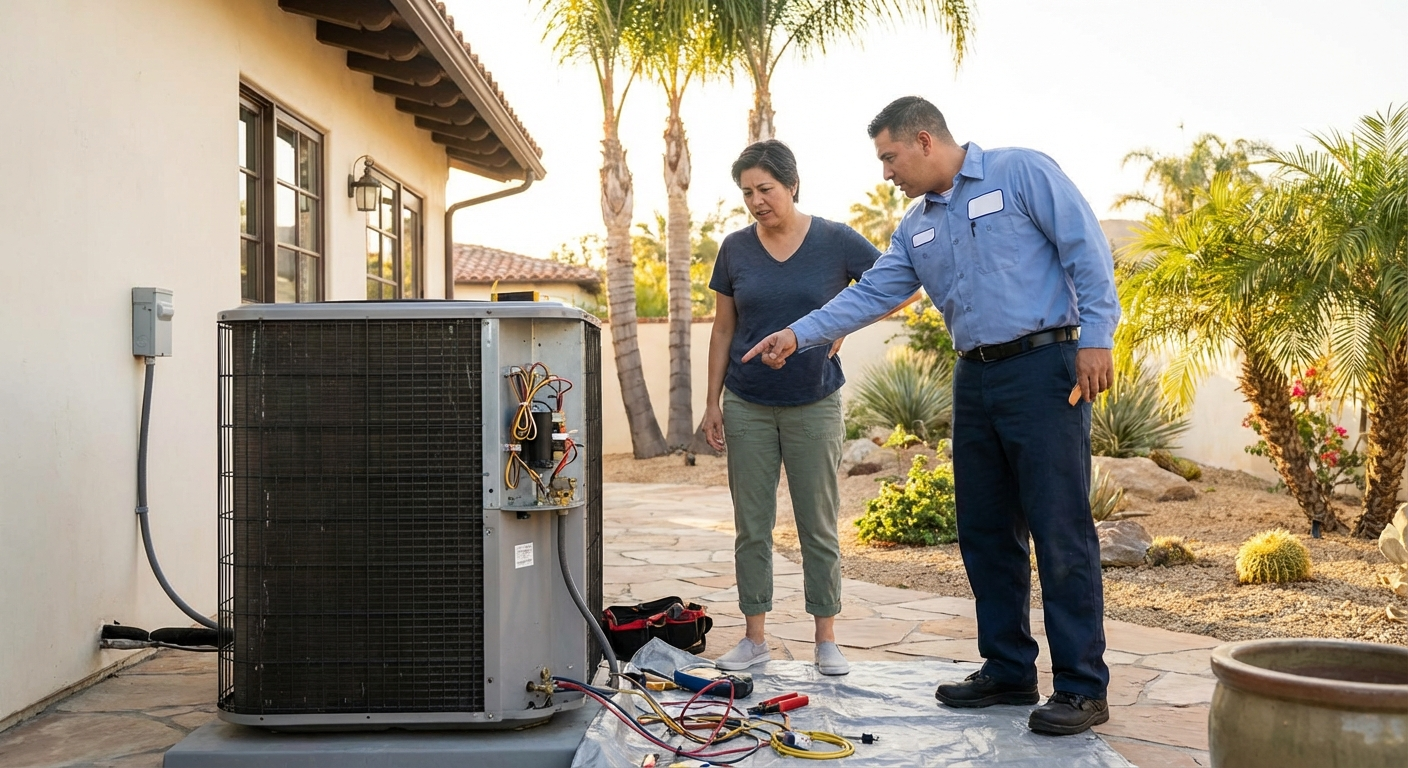
Step 2: Understand What’s Covered (And What Isn’t)
This is where the details matter. Most equipment breakdown policies cover things like:
- Heating & Cooling: Furnaces, boilers, central air conditioning units, heat pumps.
- Water Heaters: Tankless or traditional.
- Kitchen Appliances: Refrigerators, freezers, dishwashers, ovens, ranges, built-in microwaves.
- Laundry: Washers and dryers.
- Electrical Systems: Your main electrical panel, wiring.
- Pumps: Sump pumps, well pumps, pool pumps.
- Other Systems: Central vacuum systems, solar water heating equipment.
The key phrase? Sudden mechanical or electrical breakdown. It’s not for things that just wear out from old age, or if you neglect maintenance. If your fridge slowly stops cooling because its compressor died unexpectedly, that’s a breakdown. If you haven’t cleaned your AC filter in five years and it finally gives up the ghost? That’s probably not. Also, personal electronics like laptops or cell phones are usually covered under your personal property, not here.
Step 3: Compare It to a Home Warranty
Honestly, home warranties can be a mixed bag. They promise a lot, but the fine print and service fees often leave people frustrated. Equipment breakdown insurance, while narrower in scope, tends to be more straightforward for actual breakdowns.
A home warranty typically covers repairs or replacements due to normal wear and tear. You pay a monthly fee, and then a service call fee (often $75-$125) every time a technician comes out. The quality of the repair person can vary, and sometimes you’re stuck with a “comparable” replacement, not necessarily the best one.
Equipment breakdown insurance, on the other hand, is part of your actual insurance policy. It’s for the big, unexpected “kaboom” moments. You pay your deductible, and the policy helps cover the repair or replacement cost up to your limit. It’s a different animal entirely, designed for different kinds of problems. For most folks, the insurance option feels cleaner and less prone to frustrating back-and-forths when a major appliance truly fails.
Step 4: Figure Out the Cost (It’s Probably Less Than You Think)
You might be surprised. Adding equipment breakdown coverage usually doesn’t break the bank. For most folks, it might add a few dozen bucks to their annual premium. Think of it like buying a couple of fancy coffees over the year. It’s a small fraction of your overall homeowner’s insurance cost, but it provides a huge amount of peace of mind. The exact cost will depend on your insurer, your location (say, if you’re in a high-risk area for power surges), and your chosen deductible.
When you file a claim, you’ll pay your deductible, and the insurance company covers the rest, up to your policy limit. It’s a simple math equation: the cost of the coverage versus the potential thousands of dollars in repair or replacement bills.
Step 5: Talk to a Pro (Like Karl Susman)
Here’s where it gets interesting. With the California insurance market in flux – think about the changes to the FAIR Plan or the ongoing discussions around Prop 103 – having an independent agent is more valuable than ever. They don’t work for one insurance company; they work for you. They can shop around, compare different policies, and find the best fit for your specific needs.
Someone like Karl Susman at Affordable Home Insurance California, CA License #0B75129, has seen it all. They understand the nuances of the California market and can help you figure out if equipment breakdown coverage makes sense for your home in, say, Orange County or the Central Valley. They can explain the limits, deductibles, and exclusions clearly, without the jargon.
Ready to see what options are out there? Get a home insurance quote today.
The Fine Print: Deductibles, Limits, and Other Gotchas
Like any insurance, there are always a few details to keep in mind. Deductibles for equipment breakdown are typically pretty reasonable, often around $500 or $1,000. That’s usually much lower than your standard home insurance deductible for fire or theft.
Then there are limits. Your policy will have a maximum payout, either per incident or for all claims in a year. For example, it might cover up to $50,000 or $100,000 for equipment breakdown, but check your specific policy. Sometimes, there are sub-limits for certain items. For instance, your pool equipment might have a lower individual limit than your AC unit.
Also, remember that “sudden and accidental” clause. This coverage isn’t for routine maintenance or for items that simply reach the end of their expected lifespan. If your 20-year-old furnace finally conks out from sheer exhaustion, that’s likely not covered. But if a critical component fails unexpectedly, leading to a breakdown, then you’re probably in good shape. It’s about the cause of the failure, not just the failure itself.
What Happens When Something Breaks?
So, your fridge dies. Now what? The process is pretty straightforward. First, and this is important, don’t just call any repair person. You’ll want to contact your insurance company or your agent (like Karl Susman) as soon as possible to report the breakdown. They’ll guide you through the next steps.
You’ll likely need to provide documentation – maybe photos of the broken item, details about what happened, and any repair estimates. The insurance company will usually send out an adjuster or approve a qualified technician to assess the damage. Once it’s approved, you’ll get the repair or replacement done, pay your deductible, and the insurance company will cover the rest up to your policy limits. It’s designed to get your essential home systems back up and running without draining your savings.
FAQ About Equipment Breakdown Coverage
Q: Is equipment breakdown coverage the same as a home warranty?
A: No, they’re quite different. Equipment breakdown insurance covers sudden, accidental mechanical or electrical failures. A home warranty typically covers wear and tear and often has service fees for each visit. Think of insurance for unexpected big failures, and a warranty for gradual aging problems.
Q: What kinds of things are typically NOT covered by this insurance?
A: Generally, it won’t cover things that wear out due to age or lack of maintenance, cosmetic damage, or items that are still under a manufacturer’s warranty. It also usually excludes personal electronics like computers or cell phones, which fall under personal property coverage.
Q: How much does equipment breakdown coverage usually cost in California?
A: It’s typically an affordable add-on to your standard home insurance policy, often adding just a few dozen dollars to your annual premium. The exact cost depends on your insurer and policy specifics, but it’s usually a small price for the potential savings on a major repair.
Q: If my power goes out from a storm, and my fridge breaks because of a surge, is that covered?
A: Often, yes! Power surges are a common cause of electrical breakdown, and if a surge from a storm or grid issue fries your appliance, equipment breakdown coverage is designed to help with that. But always check your specific policy details.
Thinking about protecting your home’s most important systems? It’s a smart move in California. Click here to get a personalized quote and see what options are available for your home.
This article is for informational purposes only and does not constitute financial advice.