
California’s Wildfire Challenge and Your Home Insurance
Living in California means sunshine, incredible landscapes, and, for many, the constant shadow of wildfire season. Every year, it seems the news brings another devastating fire, from the hills of Ventura County to the forests of the Sierra Nevada. These fires aren’t just a threat to homes and lives; they’ve completely reshaped the home insurance market across the state. Insurers, facing billions in losses, have either stopped writing new policies, pulled out of high-risk areas, or dramatically hiked premiums.
Honestly, it’s a tough situation for homeowners. You’ve probably seen your rates jump 30%, 40%, even 50% in just a few years. Some folks in places like the Inland Empire or parts of the Valley are struggling to find coverage at all, outside of the state’s FAIR Plan – which often comes with its own set of limitations and a hefty price tag.
But here’s where it gets interesting. California’s Department of Insurance (CDI) has been pushing for a new approach. They want to reward homeowners who actively protect their properties from wildfire, and they’ve put rules in place to make that happen. This means if you’re willing to put in the work, you might just find a break on your home insurance.
What Are Wildfire Mitigation Discounts?
Simply put, these are savings on your home insurance premium for taking specific actions to make your home and property more resistant to wildfire. Think of it as an incentive. Insurers know that a house surrounded by cleared brush and built with ember-resistant materials is less likely to burn. That reduces their risk, and they’re now required to pass some of that savings back to you.
The idea isn’t new, but the statewide mandate is. Back in 2022, the CDI issued regulations requiring insurers to offer these discounts. They want to encourage everyone to do their part, creating a more resilient California. It’s not just about saving your house; it’s about making entire communities safer.

The Two Big Pillars of Wildfire Protection: Defensible Space and Home Hardening
When we talk about making a home safer from wildfire, we’re really talking about two main strategies. Both are critical, and both can qualify you for discounts.
Defensible Space: Your Property’s First Line of Defense
This is all about managing the vegetation around your home. Flames don’t usually jump directly from a forest fire to your house. Instead, it’s often radiant heat and, more commonly, embers carried by the wind that ignite structures. Defensible space creates zones where fuel for those embers and flames is minimized.
* **Zone 0 (0-5 feet from the house):** This is the “ember-free” zone. No combustible materials here. Think concrete patios, gravel paths, and very carefully selected, well-maintained, fire-resistant plants – if any. Remove anything that could catch fire, like dry leaves in gutters or woodpiles against the house.
* **Zone 1 (5-30 feet from the house):** Here, you want to create a lean, clean, and green area. Remove dead or dying plants. Space out trees and shrubs. Trim lower branches to keep fire from climbing into the canopy. Keep grasses short.
* **Zone 2 (30-100 feet from the house, or to the property line):** This zone focuses on reducing the intensity of a potential fire. Continue to thin vegetation, remove dead material, and ensure trees are well-spaced and pruned.
Honestly, maintaining defensible space is an ongoing effort. It’s not a one-and-done task. You’ll need to stay on top of it, especially as seasons change and things dry out.
Home Hardening: Making Your House a Fortress
Defensible space protects the perimeter. Home hardening protects the structure itself. This involves upgrading specific components of your house to resist embers and direct flame contact.
* **Roofs:** A non-combustible roof — like tile, metal, or composition shingles rated Class A — is a must. Wood shake roofs are incredibly risky.
* **Vents:** Embers love to sneak into attics and crawl spaces through unprotected vents. Upgrading to fine mesh (1/8-inch) or baffled ember-resistant vents can make a huge difference.
* **Windows:** Dual-pane windows with tempered glass are much more resistant to heat and breaking than single-pane.
* **Eaves and Soffits:** Open eaves can trap embers. Enclosing them with fire-resistant materials helps prevent ignition.
* **Siding:** Non-combustible siding materials like stucco, fiber cement, or treated wood are better choices than untreated wood.
* **Decks and Fences:** Decks are often a weak point. Using fire-resistant materials for decking and ensuring the area underneath is clear of debris is important. Fences attached to the house should ideally be non-combustible for the first five feet.
Many of these upgrades aren’t cheap. But they’re an investment in your home’s safety and, potentially, in its insurability.
How Do You Get These Discounts?
First, you need to understand what specific actions your insurer recognizes. The CDI regulations set a framework, but individual carriers might have their own preferred lists or assessment methods.
Typically, you’ll need to demonstrate that you’ve completed specific mitigation measures. This often involves:
1. **A professional assessment:** Some insurers or third-party organizations offer wildfire risk assessments for your property. They’ll tell you exactly what needs fixing.
2. **Completing the work:** This could be DIY for defensible space, or hiring licensed contractors for home hardening upgrades.
3. **Documentation:** You’ll need proof. Photos before and after, receipts for materials, contractor invoices, and sometimes even a certification from a recognized program like the “Firewise USA” program or a local fire authority.
Which brings up something most people miss. Finding an insurer willing to write a policy, even with mitigation, can still be a challenge in some areas. Major carriers like State Farm, AAA, and Farmers have all pulled back from parts of California. That’s why working with an independent agent is so important.
Karl Susman, from Affordable Home Insurance California (CA License #0B75129), spends his days helping Californians navigate this maze. He knows which carriers are still writing policies and what specific mitigation efforts they value most. A quick call to (877) 411-5200 could save you a lot of frustration.
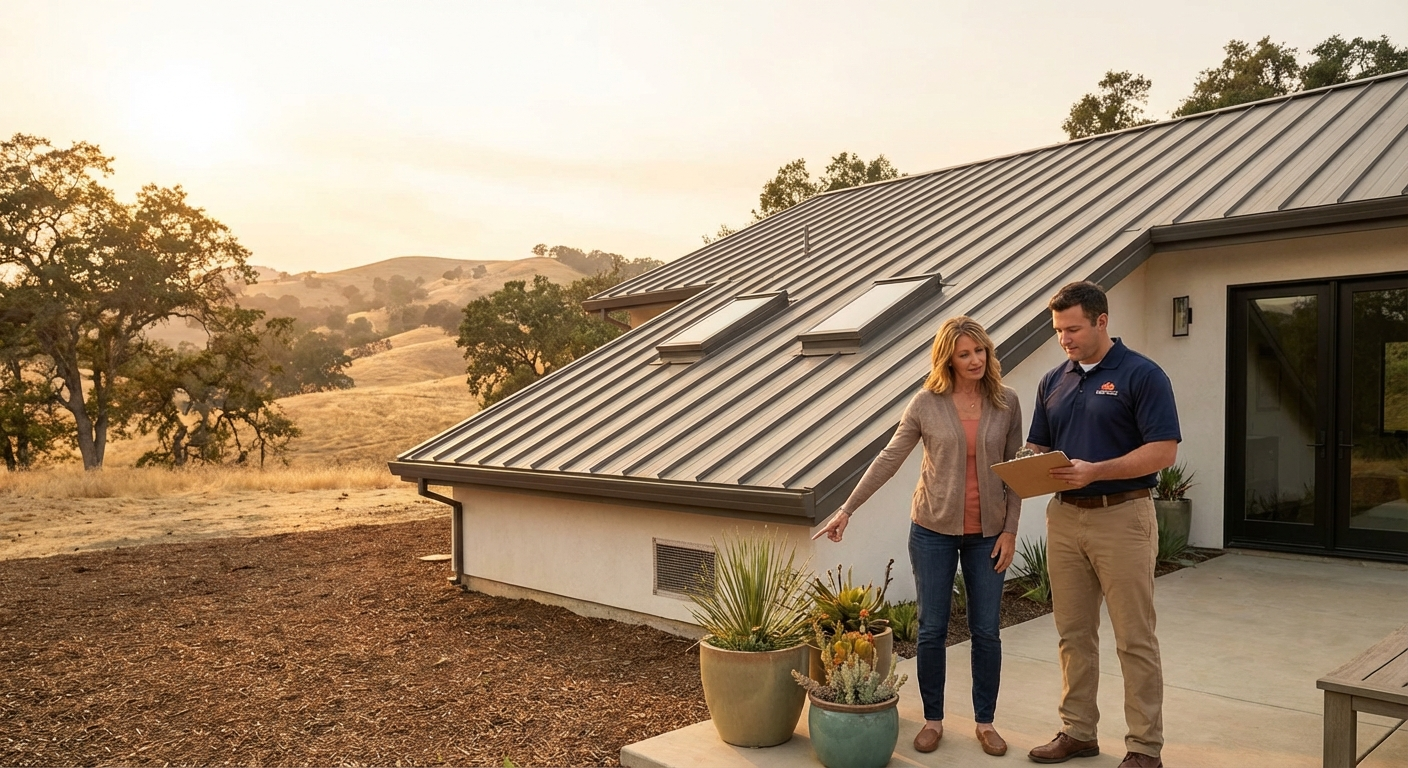
The Future of California Home Insurance
The state’s insurance commissioner is pushing for more change. The goal is to bring more private insurers back into the market by giving them more flexibility in setting rates — something Prop 103 has historically limited — in exchange for them writing more policies in high-risk areas and offering more mitigation discounts. It’s a complex negotiation, and the outcome isn’t fully clear yet.
What *is* clear is that wildfire mitigation isn’t just a suggestion anymore. It’s becoming a fundamental part of homeownership in California, especially if you want reasonable insurance rates. The more resilient our homes and communities become, the more attractive they are to insurers.
It’s not just about the discount, either. It’s about peace of mind. Knowing you’ve done everything you can to protect your home and family is invaluable.
Ready to see what discounts you might qualify for? Get started today by checking your options here: https://affordablehomeinsurancecalifornia.com/quote/
Frequently Asked Questions About Wildfire Mitigation Discounts
Can I get a discount even if I’m in a very high fire hazard severity zone?
Yes, absolutely. In fact, these discounts are often most impactful for homes in higher-risk areas. The idea is to incentivize protection where it’s needed most. You’ll still need to meet specific criteria, but the potential savings can be significant.
Do all insurance companies offer these discounts?
Under current California regulations, all admitted insurers *must* offer wildfire mitigation discounts. However, the specific criteria and the amount of the discount can vary between companies. This is where an agent like Karl Susman can help you compare.
What if I’ve already done some home hardening or defensible space work?
That’s great! You might already qualify. Gather any documentation you have – photos, receipts, contractor invoices. Your insurance agent can help you present this information to potential carriers to see if you’re eligible for a discount.
Will these discounts bring my premium down significantly?
The savings vary based on your specific mitigation efforts, your home’s location, and the insurer. While they might not completely offset all premium increases, they can certainly make a difference. Every bit helps, especially when rates are climbing.
Where can I find resources for wildfire mitigation?
Many local fire departments offer guidance and sometimes even free home assessments. Cal Fire’s “Ready for Wildfire” program is an excellent resource, providing detailed checklists and advice on both defensible space and home hardening.
Don’t let the complexity of California’s insurance market deter you. Protecting your home from wildfire is a smart move, and it can pay off in more ways than one. If you’re looking for help finding the right coverage and maximizing your savings, reach out to Karl Susman at Affordable Home Insurance California. He’s an expert in this field and can guide you through the process. Call (877) 411-5200 or visit https://affordablehomeinsurancecalifornia.com/quote/ to get started.
This article is for informational purposes only and does not constitute financial advice.