
The Shifting Sands of California Home Insurance
Think about the Millers. They’ve owned their charming Ventura County home for over a decade. They raised their kids there, hosted countless barbecues, and never really worried much about their homeowner’s insurance. It was just another bill that arrived, they paid it, done. But lately? It’s been a different story. Their premium jumped a staggering 35% at their last renewal. Then their current carrier, a big name they’d been with forever, sent a non-renewal notice. Just like that.
Suddenly, insuring their home feels like trying to catch smoke. They’re not alone. For many California homeowners, the once-predictable world of insurance has been turned upside down. Premiums across the state have seen dramatic increases, sometimes 40% or more between 2022 and 2024, pushing budgets to their limits. And finding coverage from major players like State Farm, AAA, or Farmers? It’s getting tougher, especially in areas prone to wildfires.
Why Things Are Getting Tougher
Why this sudden shake-up? It’s not one single thing. California’s unique blend of natural beauty and natural disaster risk creates a perfect storm. Wildfires, for instance, aren’t just a threat; they’re a devastating reality. The fires that ravaged communities near Lake Tahoe in 2021, or the devastating blazes in Sonoma just a few years before that, cost billions. Insurers paid out massive claims.
But wait — that’s not the whole story. Inflation plays a huge part too. The cost of rebuilding a home after a disaster has skyrocketed. Lumber, labor, permits—everything costs more. This means the actual expense for an insurer to replace a damaged home is far higher than it used to be. Then there’s reinsurance, which is basically insurance for insurance companies. Their costs are up, and those get passed down to us.
The result? Many insurers have either pulled back from the California market entirely or drastically reduced the number of new policies they’re writing. It’s a tough spot for everyone. And as we look to 2026, the landscape is set to change even more.

What “Requirements” Even Mean for Homeowners
When we talk about “requirements” for home insurance, it gets a little fuzzy. The short answer is yes, you absolutely *need* home insurance. The real answer is more complicated because there are different kinds of “needs.” There’s what your bank demands, and then there’s what you truly need to protect your family and your future.
For most California homeowners, that first “requirement” comes from their mortgage lender. You borrowed money to buy your home, right? Well, the bank wants to make sure their investment – your house – is protected.
Your Lender’s Rulebook: The Bare Minimum
Your mortgage lender isn’t worried about your grandmother’s antique armoire or the new plasma TV. They care about the structure itself. They’ll require you to carry enough insurance to cover the full replacement cost of your home. This isn’t the market value, mind you – it’s the cost to rebuild your house from the ground up if it were completely destroyed. Think materials, labor, demolition, debris removal, even architect fees.
This number often changes, especially with inflation pushing construction costs higher. So, many policies include an “extended replacement cost” clause, maybe 20% or 25% above the dwelling coverage limit, just in case. It’s a smart addition, and lenders often push for it. The Millers’ lender, for example, made it very clear that their new policy *must* have adequate replacement cost, no matter who they went with.
Beyond the Bank: What *You* Really Need
While the bank focuses on the bricks and mortar, you should focus on everything else. A standard homeowner’s policy typically includes several other key coverages that aren’t technically “required” by a lender but are absolutely essential for your peace of mind.
* **Personal Property Coverage:** This protects your belongings – furniture, clothes, electronics, jewelry. Imagine replacing everything in your home after a fire. It adds up fast.
* **Loss of Use (Additional Living Expenses):** If a disaster makes your home unlivable, where do you go? This coverage pays for temporary housing, food, and other living expenses while your home is being repaired. It’s a lifesaver.
* **Liability Protection:** What if someone gets hurt on your property? Or your dog bites a neighbor? This covers legal fees and medical expenses if you’re found responsible. This one’s a big deal.
* **Special Endorsements:** Earthquake and flood insurance? Not usually included in a standard homeowner’s policy in California. They’re separate policies, and while not lender-mandated unless you’re in a specific flood zone, they’re definitely things to consider in our Golden State. Remember the Napa earthquake? Or the floods that hit parts of the Inland Empire earlier this year?
The Big Changes Coming in 2026: What to Expect
Here’s where it gets interesting. The California Department of Insurance (CDI) is working on a major overhaul of the state’s insurance regulations. This isn’t just tweaking a few rules; it’s a fundamental shift designed to bring stability back to the market – hopefully. Insurance Commissioner Ricardo Lara calls it the “Sustainable Insurance Strategy,” and 2026 is when many of these changes are expected to really kick in.
The biggest news revolves around how insurance companies calculate risk and how they manage their reinsurance costs. For years, insurers in California could only use historical data – what *has* happened – to set rates. But that’s changing.
Forward-Looking Models: The Good and The Bad
The CDI is pushing for insurers to use “forward-looking catastrophe models.” What does that mean? Instead of just looking at past wildfires or storm patterns, insurers can now use sophisticated computer models to predict *future* risks. They’ll factor in climate change projections, urban development patterns, and other data to forecast how likely your home is to suffer damage in the years to come.
For some homeowners, this could be good news. If your home is in a relatively low-risk area, your rates might stabilize or even decrease. But for others, like the Millers whose home borders a brush-heavy canyon, it could mean higher premiums. These models might identify their property as having a significantly higher future wildfire risk, even if it hasn’t burned in decades. It’s about predicting the “what if,” not just reporting the “what was.”
FAIR Plan Adjustments and What They Mean
That’s not the whole story. The California FAIR Plan, our state’s “insurer of last resort” for properties that can’t find coverage in the traditional market, is also seeing changes. For years, the FAIR Plan offered only basic fire coverage, requiring homeowners to buy a separate “wrap-around” policy for things like liability and theft.
The CDI is working to expand the FAIR Plan’s offerings. This means higher dwelling limits – potentially up to $20 million for residential properties – and the ability for the FAIR Plan to offer broader coverage, reducing the need for those complex wrap-around policies. It’s a significant move, aimed at ensuring more Californians can get at least some form of coverage. But remember, the FAIR Plan is still generally more expensive and less comprehensive than a standard policy. It’s meant to be a safety net, not a first choice. And all these changes happen under the watchful eye of Prop 103, which requires the CDI to approve all rate increases. It’s a careful dance.
Preparing Your Home – and Your Policy – for 2026
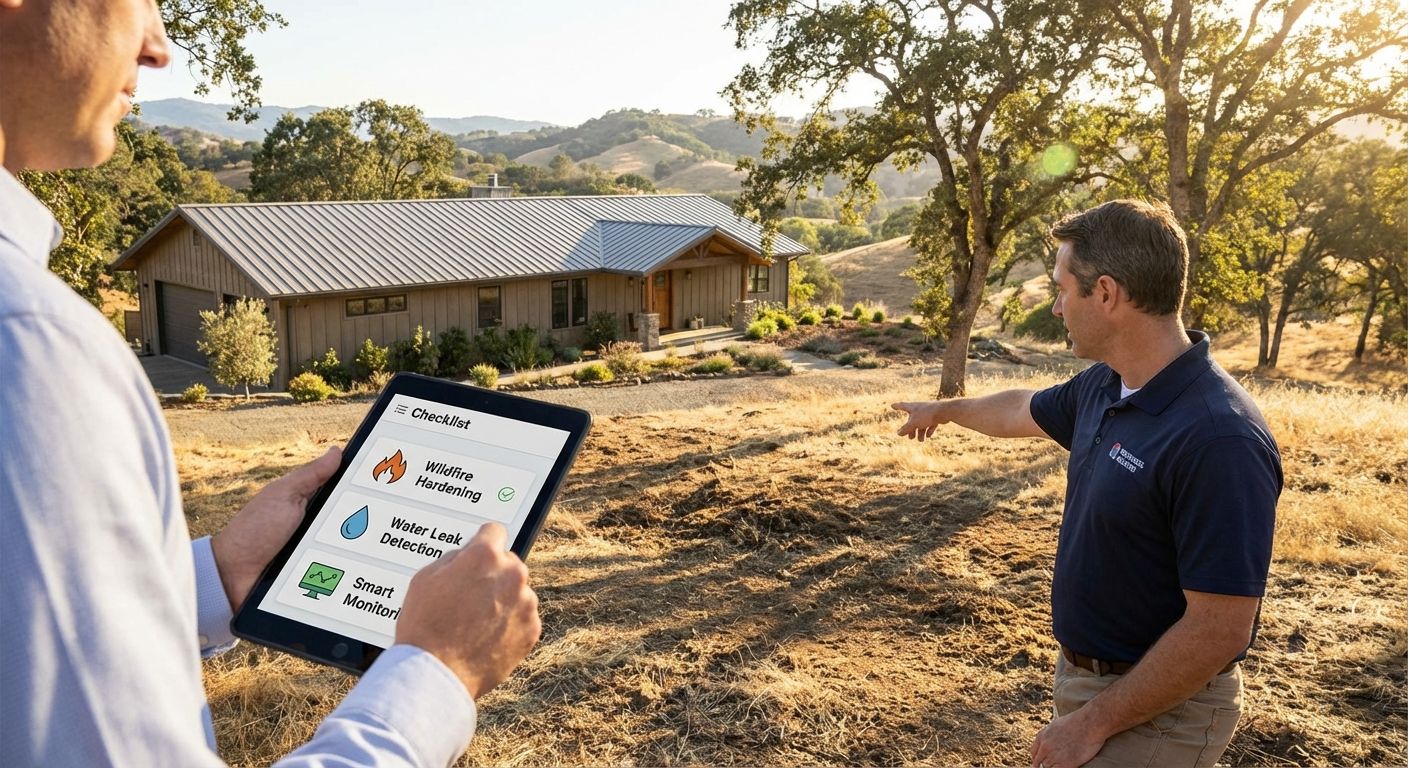
So, what can you, the homeowner, do about all this? A lot, actually. The good news is that the CDI’s new strategy also includes incentives for homeowners who take steps to mitigate their risk. Insurers, under the new rules, will be required to offer discounts for home hardening and defensible space efforts. This is where you can take some control back.
Making Your Home Safer (and Maybe Cheaper to Insure)
“Home hardening” isn’t just a buzzword; it’s about making your home more resistant to embers and flames. This means things like:
* **Ember-resistant vents:** Replacing standard attic and crawl space vents with fine-mesh, non-combustible versions.
* **Fire-resistant roofing:** Upgrading to materials like tile, metal, or asphalt shingles with a Class A fire rating.
* **Clearing defensible space:** Removing flammable vegetation within 100 feet of your home. This is huge.
* **Enclosing eaves:** Sealing open eaves to prevent ember entry.
* **Double-pane windows:** These offer better protection against radiant heat.
The Millers, worried sick about their insurance, recently started clearing out the dry brush near their property line. They’re even looking into those ember-resistant vents. They hope these efforts will not only make their home safer but also qualify them for a discount. It’s part of the state’s “Safer from Wildfires” framework, and insurers *will* be required to give credit for these actions.
Working with an Expert
Navigating these coming changes alone can feel like wading through mud. This is precisely why having an experienced guide makes all the difference. Someone who understands the complexities of the California market, knows which carriers are still writing policies, and can help you leverage mitigation efforts for better rates.
That’s where Karl Susman and Affordable Home Insurance California come in. With CA License #OB75129, Karl has seen it all in the California insurance world. He doesn’t just sell policies; he helps homeowners understand their options, prepare for future changes, and find the right coverage. An independent agent like Karl can shop multiple carriers – not just one – helping you find the best fit, even in this challenging environment.
Ready to explore your options and get ahead of the 2026 changes? Don’t wait. Get a quote from Affordable Home Insurance California today.
The Road Ahead: Staying Insured in California
The idea that California is becoming “uninsurable” is a loud one, but it’s not accurate. What *is* true is that the insurance market is undergoing a massive transformation. It’s a new era for homeowners, one that demands more awareness, more proactive steps, and definitely more expert guidance.
The changes coming in 2026 aren’t meant to make insurance impossible. They’re designed to make it sustainable for both insurers and homeowners in the long run. For people like the Millers, it means being more engaged with their property’s risk and their insurance choices than ever before. It means taking those steps to protect their home, and then finding someone who can translate those efforts into viable coverage.
Navigating the complexities of California home insurance in 2026 demands expert guidance. For personalized advice and to ensure your home is protected, reach out for a quote. Or give Karl Susman a call directly at (877) 411-5200.
Frequently Asked Questions About California Home Insurance in 2026
Q1: Will my home insurance rates definitely go up in 2026?
A: Not necessarily for everyone. While many areas, especially those with higher wildfire risk, will likely see increases due to new forward-looking models, some homeowners in lower-risk areas might see more stable rates or even potential decreases if they implement home hardening measures that qualify for discounts. It really depends on your specific property and location.
Q2: What is “home hardening,” and how does it help with insurance?
A: Home hardening refers to making your home more resistant to wildfires and other natural hazards. This includes things like installing ember-resistant vents, fire-resistant roofing, clearing defensible space, and using fire-resistant building materials. The state’s new regulations require insurers to offer discounts for these protective measures, making your home safer and potentially cheaper to insure.
Q3: Is earthquake or flood insurance included in my standard California homeowner’s policy?
A: No, typically not. Earthquake insurance and flood insurance are separate policies that you must purchase in addition to your standard homeowner’s insurance. Given California’s seismic activity and varied flood zones, it’s wise to discuss these critical coverages with an experienced agent like Karl Susman.
Q4: What if I can’t find insurance from a standard carrier in California?
A: If you’re unable to secure coverage from a traditional insurance company, the California FAIR Plan acts as an insurer of last resort. It provides basic fire coverage for properties in high-risk areas. You may still need to purchase a separate “wrap-around” policy for other perils like liability and theft, though the FAIR Plan’s offerings are expanding in 2026.
This article is for informational purposes only and does not constitute financial advice.