
What You’ll Learn
- Why insuring a historic home in California is different — and often harder.
- How California’s tough insurance market impacts older properties.
- The specific types of coverage your historic home absolutely needs.
- Steps to prepare your home and documents for insurance applications.
- Why an independent agent is your best friend in this process.
The Golden State’s Historic Homes: A Special Insurance Challenge
California, with its sun-drenched coastlines and sprawling valleys, holds a treasure trove of architectural history. Think of the Craftsman bungalows in Pasadena, the Queen Anne Victorians of San Francisco, or those charming Spanish Colonial Revival homes sprinkled across Ventura County. These aren’t just houses; they’re stories, built with craftsmanship you rarely see today. But owning one? That’s a different kind of story when it comes to home insurance, especially now.
Honestly, getting standard home insurance in California has become a bit of a nightmare for many. Premiums jumped 20% to 40% between 2022 and 2024 for a lot of folks. Insurers like State Farm and Farmers have hit the brakes on writing new policies here. When your home has a century or more of character, the challenge only gets bigger. You can’t just slap a new roof on a 1920s Spanish tile beauty with off-the-shelf materials. That’s where the insurance puzzle begins.
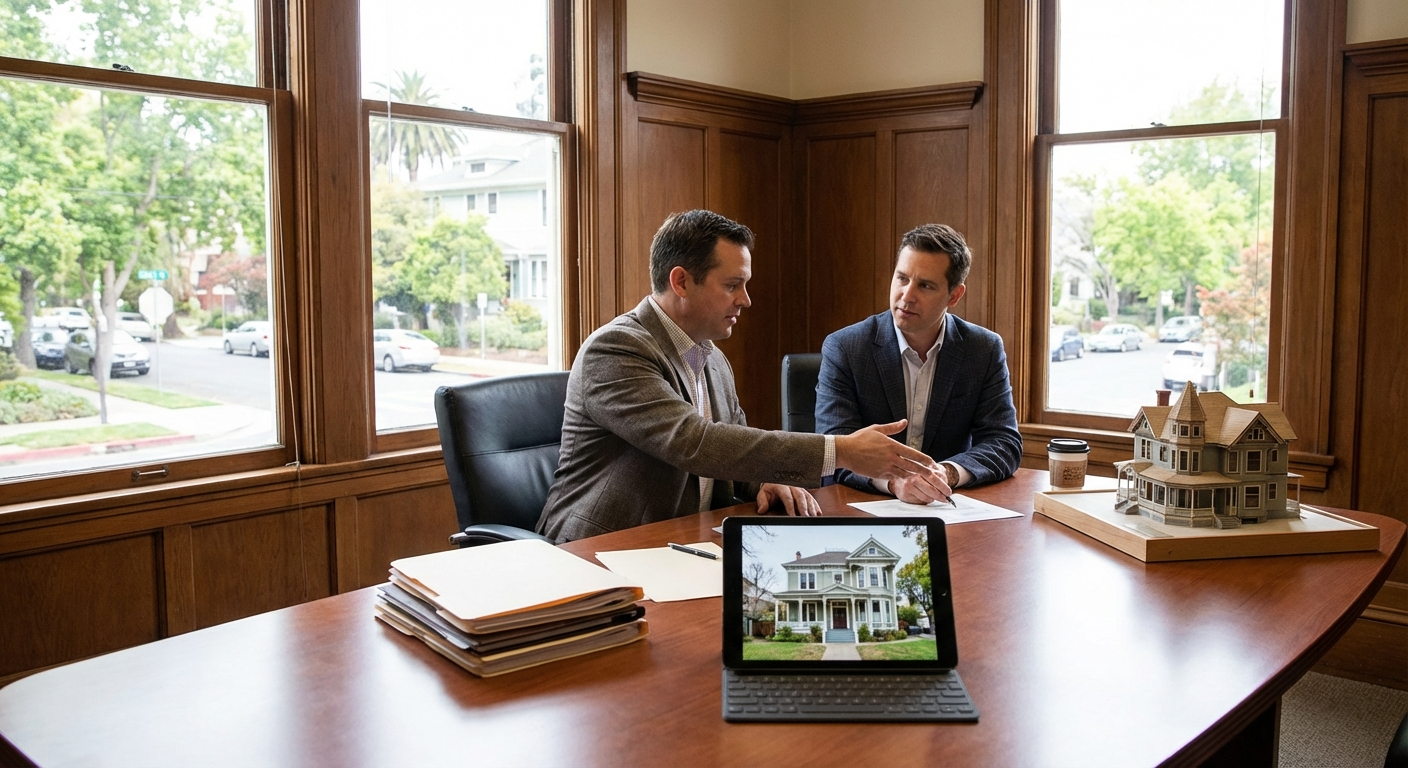
Step 1: Understand What Makes Historic Homes Different (and Risky) for Insurers
Your beautiful historic home isn’t just old; it’s unique. And that uniqueness often translates to higher risk in an insurer’s eyes. Why?
- Materials Matter: Original redwood siding, hand-blown glass, custom millwork, or those intricate plaster details. These aren’t found at your local Home Depot. If damaged, they need specialized artisans and specific, often custom-made, materials. That drives up repair costs significantly.
- Outdated Systems: Knob-and-tube wiring, galvanized plumbing, or old furnaces. While charming, these can pose higher risks for fire, water leaks, or system failures compared to modern installations. Insurers often see them as ticking time bombs.
- Building Codes: If a major part of your historic home is damaged, current building codes might demand upgrades that go far beyond simply replacing what was there. Think seismic retrofitting in Los Angeles or updated electrical panels. This “ordinance or law” requirement is a huge cost factor.
For most California homeowners, these points are an afterthought. For you, they’re front and center.
Step 2: Grasp California’s Tough Insurance Market Reality
Here’s where it gets interesting. Even if your historic home is a fortress, the broader California insurance market is in crisis. Wildfires, like those that devastated parts of the state in 2017, 2018, and even smaller, more localized blazes since, have made insurers incredibly wary. They’ve paid out billions. Many have simply decided it’s too risky to do business here, especially in areas prone to fire, which includes vast swathes of the state, from the hillsides of Malibu to the wildland-urban interface near the Inland Empire.
The state’s regulatory system, governed by Prop 103, also plays a role. Insurers argue it limits their ability to raise rates quickly enough to cover their soaring costs, especially for reinsurance – the insurance *they* buy. This has led to non-renewals for thousands of homeowners, pushing many to California’s FAIR Plan. But wait — the FAIR Plan, while a safety net, isn’t designed for the specific needs of historic homes. It’s basic fire coverage, not full historic replacement value.
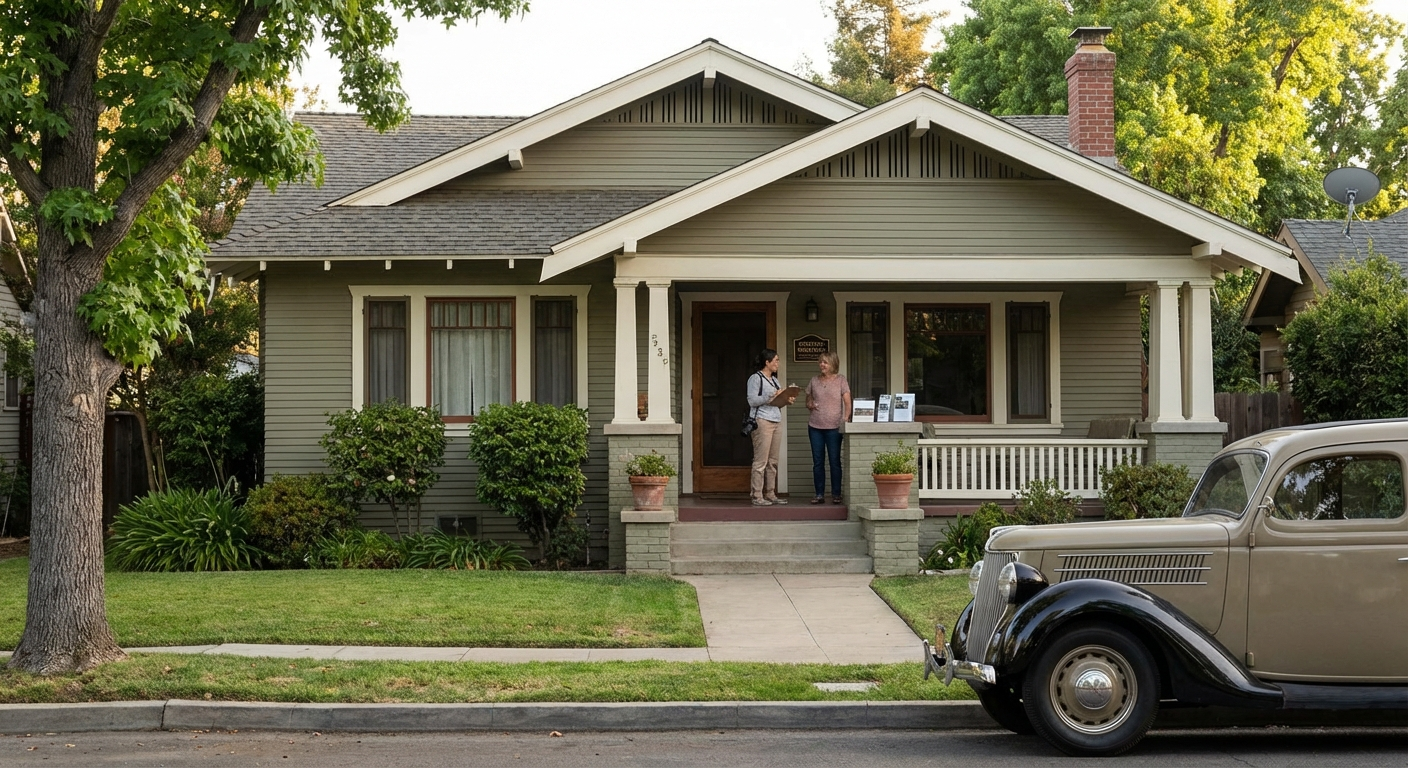
Step 3: Define “Historic” for Insurance Purposes
Is your home merely old, or is it *historic*? There’s a big difference in the insurance world. Simply being built in 1910 doesn’t automatically make it “historic” in the eyes of an underwriter. The real question is:
- Is it officially designated? Is your home on the National Register of Historic Places? Is it part of a local historic district in, say, Sacramento or San Diego? These designations are key.
- Does it have unique architectural significance? Does it feature original, irreplaceable elements that would require custom fabrication or highly specialized repair?
An official designation often means stricter rules for repairs or renovations. You can’t just tear down a wall; you might need approval from a historical review board. This adds time and cost to any repair, which insurers naturally factor into their risk assessment.
Step 4: Insist on Specialized Coverage Types for Historic Homes
The standard HO-3 policy most people get just won’t cut it. You need specific endorsements and policy types. This is where you really protect your investment.
- Guaranteed Replacement Cost (GRC): This is non-negotiable. Standard policies often have a “replacement cost” limit that might not cover the true cost of rebuilding a historic home with period-appropriate materials and craftsmen. GRC offers a buffer, often 20% to 50% *above* your dwelling limit. If your home is insured for $1 million, GRC could give you an extra $200,000 to $500,000 for those unexpected, specialized rebuilding expenses. Without it, you’re on the hook for the difference.
- Ordinance or Law Coverage: Absolutely essential. This covers the additional costs to rebuild your home to current building codes after a covered loss. If your 1905 Craftsman burns down, and current codes demand a specific foundation, electrical upgrades, or fire suppression system not originally present, this coverage pays for those mandated improvements. It’s often a separate limit, sometimes 10% or 25% of your dwelling coverage.
- Specialty Materials and Craftsmanship Endorsement: This policy addition specifically addresses the cost of finding and using period-appropriate materials and skilled artisans. It ensures that if your unique stained-glass window or hand-carved mantelpiece is damaged, you’re not forced to replace it with a modern, cheaper alternative.
- Loss of Use / Additional Living Expenses (ALE): Because historic home repairs take longer, your ALE coverage needs to be robust. This pays for your temporary housing, meals, and other living expenses while your home is being restored. A typical 12-month limit might not be enough for a complex historic rebuild.
Step 5: Find the Right Insurer (and Agent)
You won’t find this kind of tailored coverage from every big-name carrier. Many standard insurers simply don’t have the appetite or expertise for historic properties. You’ll likely need to look at specialty carriers.
But how do you find them? That’s not the whole story. You need an independent insurance agent. Someone who isn’t tied to one company but works with many. They understand the nuances of the California market and know which carriers specialize in historic homes. Karl Susman of Affordable Home Insurance California is one such agent. With his CA License #OB75129, he’s spent years helping California homeowners, including those with unique properties, navigate this often-confusing landscape. He knows the players and the specific questions to ask to match your historic home with the right protection.
The FAIR Plan, while a backup, usually won’t offer the specialized coverages listed above. It provides basic fire coverage, and that’s it. It’s a bare minimum, not a true historic home policy.
Step 6: Prepare Your Home (and Your Documents) for Underwriting
When you’re applying for historic home insurance, you’re essentially building a case for your property. The more information you provide, the better your chances of getting proper coverage and a reasonable rate.
- Documentation is King: Gather every piece of information you can. Original blueprints, renovation records (especially if you’ve updated systems), professional appraisals, photos of unique architectural features, and letters from local historical societies confirming your home’s significance.
- Mitigation Efforts: What have you done to reduce risk? If you’re in a wildfire-prone area like the hills near Santa Clarita or parts of the North Bay, brush clearance is huge. Have you updated electrical, plumbing, or roofing systems while maintaining historical integrity? Document these improvements. Insurers love to see proactive risk reduction.
- Professional Appraisal: Get a detailed appraisal specifically for *replacement cost*, not market value. This appraisal should itemize the cost of specialized materials, skilled labor, and architectural details. It’s the most accurate way to determine how much it would truly cost to rebuild your home exactly as it was.
Step 7: The Application Process: Expect Detailed Questions
Don’t expect a quick, 10-minute online quote. Insuring a historic home is a bespoke process. You’ll be asked about:
- The exact age and construction type.
- Original materials used throughout the home.
- Any historic designations.
- Details of all system updates (electrical, plumbing, HVAC, roof).
- Specific architectural features that would require custom replacement.
- Your home’s proximity to fire hydrants, fire stations, and brush areas.
This is where having an experienced independent agent like Karl Susman really helps. He’s familiar with these questions and can guide you through providing the most accurate and favorable information to the underwriters.
Step 8: Review Your Policy Carefully
Once you get a policy offer, don’t just sign on the dotted line. Read every single page. Look for the endorsements discussed in Step 4. Confirm the dwelling coverage amount, the guaranteed replacement cost percentage, and the ordinance or law coverage limits. Make sure the policy accurately reflects the unique characteristics of your home.
It’s not uncommon for historic home policies to have specific clauses or exclusions related to certain materials or repair methods. If anything is unclear, ask your agent. You’re paying for peace of mind, so make sure you understand exactly what you’re getting.
Finding the right coverage for your historic California home doesn’t have to be an overwhelming ordeal. It simply requires a thoughtful approach and the right expertise. Ready to explore your options? Click here to get a personalized quote for your historic home.
Frequently Asked Questions About Historic Home Insurance in California
Q1: Is it always more expensive to insure a historic home?
The short answer is yes. The real answer is more complicated. Due to the specialized materials, labor, and often longer repair times, the cost to rebuild a historic home is typically higher than a modern one. This increased rebuild cost directly translates to higher premiums. Plus, the unique risks like older systems can also factor in. But the right policy protects your unique investment.
Q2: Can I get historic home insurance through the California FAIR Plan?
You can get *some* coverage through the FAIR Plan. It provides basic fire insurance, which is a big deal in California. However, it won’t offer the specialized coverages like guaranteed replacement cost, ordinance or law coverage, or specific endorsements for unique materials that a historic home truly needs. It’s usually a last resort, not a comprehensive solution.
Q3: What if my historic home has been completely updated with modern systems?
That’s great news for insurers! If you’ve updated the electrical, plumbing, and HVAC systems to modern standards, while preserving the historic character, it significantly reduces many of the risks associated with older homes. Be sure to document these updates thoroughly with your agent. It can definitely help with both eligibility and potentially lower your premium.
Q4: How often should I re-evaluate my historic home insurance policy?
At least once a year at renewal time. However, if you make significant renovations, if there are major changes in local building codes, or if the cost of specialized materials and labor in California shifts dramatically, it’s smart to review your policy sooner. The market changes fast here. Staying proactive ensures your coverage keeps pace with your home’s true value.
Protecting your historic California home means understanding its unique needs and the current insurance climate. Don’t leave it to chance. For expert guidance and to find the right coverage, start your personalized quote today. You can also reach Karl Susman at Affordable Home Insurance California, CA License #OB75129, by calling (877) 411-5200.
This article is for informational purposes only and does not constitute financial advice.