
The Unsettling Creak in the California Dream
Imagine the Millers, a young family out in Santa Clarita. They bought their first home five years ago, a charming ranch house with a sprawling backyard perfect for their kids. Life was good. Then, one sunny Saturday morning, Sarah noticed a hairline crack snaking across the living room wall. Just a tiny thing, she thought. Over the next few months, more appeared. The kitchen floor felt a little uneven. A door started sticking. Soon enough, the “tiny thing” grew into a full-blown worry: something was wrong with the foundation.
For many California homeowners, this scenario isn’t just a hypothetical. It’s a real, gnawing fear. Our state’s unique geology, from seismic activity to those temperamental clay soils, means foundation issues are more common than most folks outside California might realize. When those cracks show up, the first thought, after “Oh no,” is often, “Will my home insurance even cover this?” The short answer is sometimes. The real answer is, like much of life in California, far more complicated.
What’s Actually Cracking Your Home’s Foundation?
It’s not always the big one, the earthquake everyone talks about. Plenty of things can wreak havoc on your home’s structural base here in the Golden State.
Think about the soil. Much of California, especially in places like the Inland Empire or parts of the Valley, sits on expansive clay soils. These soils are like sponges. When we get those heavy winter rains after a long dry spell — remember those atmospheric rivers? — the soil swells, pushing against your foundation. Then, when summer rolls around and things dry out, the soil shrinks, pulling away. This constant push and pull, over years, can absolutely stress a foundation, leading to cracks, settlement, and upheaval.
Then there are the silent destroyers: plumbing leaks. A slow, steady drip from a pipe under your slab foundation can go unnoticed for months, even years. That water saturates the soil directly beneath your home, causing it to erode or swell unevenly. We call these “slab leaks,” and they’re a common culprit for foundation problems, often discovered only when you see a suspicious wet spot on the floor or a sudden jump in your water bill.
But wait — there’s more. Tree roots, especially from mature trees planted too close to the house, can exert incredible pressure on concrete. Poor drainage around your home’s perimeter lets water pool, weakening the soil. And, yes, seismic activity is always a factor. Even smaller, unnoticeable tremors can contribute to gradual stress over time. Honestly, sometimes it’s just plain old poor construction, though that’s a whole different can of worms for insurance.
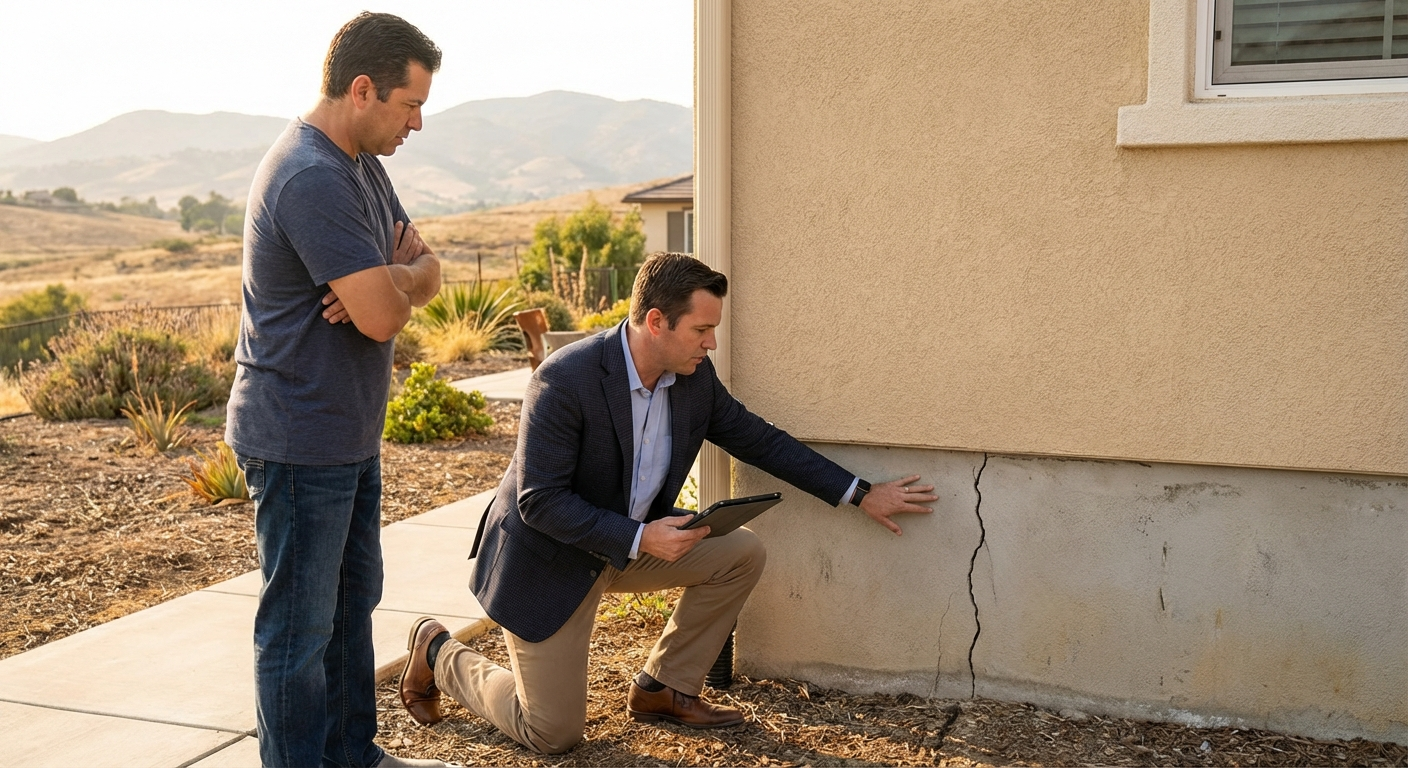
The Insurance Policy: Friend or Foe?
Most homeowners in California carry an HO-3 policy, which is generally considered an “all-risk” policy for your home’s structure. That sounds pretty good, right? Like it covers everything. Here’s where it gets interesting. While it’s “all-risk,” it comes with a long list of specific exclusions. And those exclusions are the battlefield when it comes to foundation damage.
Your standard policy almost always excludes “earth movement.” This is a big one. It means earthquakes, landslides, mudslides, and subsidence — which is the gradual sinking of the ground — are typically *not* covered. If the Miller’s foundation cracks were due to the ground slowly settling over decades, their standard policy would likely say “no.”
Which brings up something most people miss: water damage from continuous or repeated leaks, or from wear and tear, is also generally excluded. Remember that slow slab leak? If it’s been dripping for two years, causing gradual damage, your insurer might deny the claim, arguing it wasn’t “sudden and accidental.” This is a huge distinction. A pipe bursts (sudden) is usually covered. A pipe slowly drips for months (gradual) is usually not. Big difference.
When Your Foundation Damage *Might* Be Covered
So, when *does* home insurance step up for foundation issues? Generally, it’s when the damage is the direct result of a “covered peril.” Think of it this way: if your home catches fire, and the fire damages the foundation, that’s almost certainly covered. If a tree falls on your house during a windstorm and impacts the foundation, that’s also likely covered.
The key is the cause. If a sudden, accidental event that *is* covered by your policy — like a burst pipe (not a slow leak) or a specific type of collapse — causes foundation damage, then the repairs might be on your insurer. For example, if a pipe suddenly bursts under your slab, and the rush of water washes away supporting soil, leading to a sudden shift in your foundation, that could be a covered event. The trick is proving the “sudden and accidental” part.
Some policies offer endorsements you can add for extra protection. “Service Line Coverage” can be a lifesaver. It protects you from damage to those utility lines — water, sewer, power — that run from the street to your house. If a main water line breaks underground and causes a slab leak and subsequent foundation issues, this endorsement could kick in. “Water Backup Coverage” is another one, for when sewers or drains back up and cause water damage inside the home, which *could* indirectly affect the foundation if severe enough.
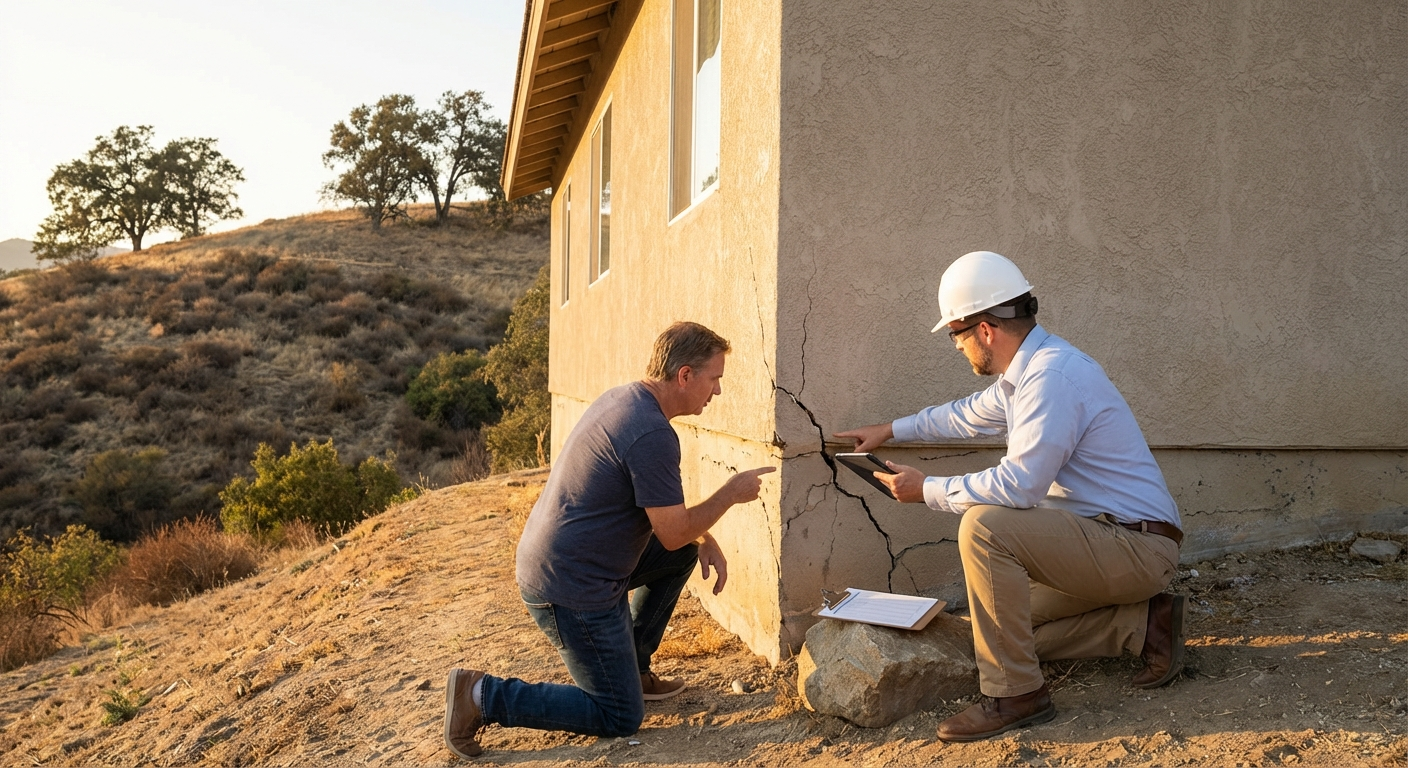
The Elephant in the Room: Earthquakes, Landslides, and Floods
Living in California, you know about earthquakes. Your standard home insurance policy does *not* cover earthquake damage. Full stop. For that, you need a separate policy, usually from the California Earthquake Authority (CEA) or a private insurer. These policies often come with high deductibles — sometimes 10% or 15% of your dwelling coverage — meaning you’d pay a hefty chunk out of pocket before coverage starts. But here’s the thing: for many, it’s a necessary peace of mind.
Landslides and mudslides are another tricky beast. While they’re often lumped under “earth movement” exclusions, the specific cause can sometimes matter. If a wildfire rips through a hillside in, say, Malibu or parts of Ventura County, then heavy rains follow, leading to a mudslide that carries away your home’s foundation, it’s a complicated claim. Some policies might offer limited coverage if the mudslide is directly caused by a *covered* peril (like a sudden explosion that destabilizes a hill), but most of the time, it’s an exclusion.
And floods? Again, a completely separate policy, typically through the National Flood Insurance Program (NFIP) or a private flood insurer. If water from a rising river or surface runoff causes foundation damage, your standard homeowners policy won’t cover it.
The State of California Home Insurance Right Now
Honestly, it’s a tough market out there. Many homeowners across the state, from San Diego to the Bay Area, have seen premiums climb significantly — some homeowners, for instance, saw premiums jump 40% between 2022 and 2024. Insurers like State Farm and Allstate have pulled back operations, making it harder to find coverage in certain areas. This isn’t just about wildfires, either; it’s about overall risk assessment, and that includes everything from an aging housing stock to the cost of materials and labor for repairs.
This volatile market makes choosing the right policy, and understanding its exclusions, more important than ever. Prop 103, which regulates insurance rates in California, plays a big role in how insurers operate here. It’s a unique system. Sometimes, if you can’t get coverage through traditional carriers, you might end up with the California FAIR Plan — but that’s really a last resort, offering only basic fire coverage and typically not broad homeowners coverage, especially for foundation issues.
This is where someone like Karl Susman comes in. He and his team at Affordable Home Insurance California don’t just sell policies; they help you understand the maze of options and exclusions. With CA License #OB75129, Karl has seen it all and knows the ins and outs of California’s particular insurance challenges. Getting expert advice isn’t just a good idea; it’s a necessity in this climate.
If you’re grappling with these questions, don’t wait. Get a quote and talk through your options with an agent who understands California’s unique landscape. They can help you identify potential gaps in your coverage before a problem arises.
Ready to explore your options? Get a personalized home insurance quote today!
Making a Foundation Damage Claim: What to Do
So, you’ve found cracks, uneven floors, or sticking doors. You suspect foundation damage. What now?
First, document everything. Take photos and videos of all the damage, inside and out. Note the date. Keep a detailed log of when you first noticed issues and how they progressed.
Next, if it’s a water leak, stop the source immediately if you can. Turn off the main water supply if necessary.
Then, notify your insurer promptly. Don’t delay. They’ll send out an adjuster to assess the damage. It’s smart to have your own expert opinion too. Get estimates from at least two licensed, reputable foundation repair contractors. Make sure they specify the cause of the damage in their reports. This information will be incredibly helpful in your discussions with the insurance company.
Be prepared for a back-and-forth. Foundation claims are often complex, and proving the cause of damage is critical. Having clear documentation and expert opinions on your side can make a big difference.
Proactive Steps: Protecting Your Investment
While insurance is there for when things go wrong, preventing foundation damage is always the best approach. Good drainage around your home is essential. Make sure gutters are clean and direct water at least five feet away from your foundation. Grade your yard so water slopes away from the house, not towards it.
Regularly check your plumbing for leaks, especially under sinks and around appliances. If you have older pipes, consider having a plumber inspect your slab for leaks periodically. And manage those tree roots! If you have large trees close to your home, consult an arborist.
Protecting your home starts with the right policy, but it also means being a vigilant homeowner. Knowing your home, understanding its vulnerabilities, and taking preventative steps can save you a world of heartache and potentially expensive repairs down the line.
Ready to review your current coverage or explore what’s available? Let Karl Susman and his team help you build a stronger foundation for your future.
Protect your California home with confidence. Get a quote for tailored home insurance today!
Frequently Asked Questions About Foundation Damage & Home Insurance
Does homeowners insurance cover all foundation cracks?
No, absolutely not. Standard homeowners policies in California typically exclude damage caused by earth movement (like earthquakes or gradual soil settlement) and gradual water leaks or wear and tear. Coverage usually kicks in only if the foundation damage is a direct result of a sudden, accidental, and covered peril, like a fire or a sudden burst pipe.
What’s the difference between sudden and gradual water damage?
This distinction is often the make-or-break point for a claim. “Sudden and accidental” water damage means something unexpected and quick, like a pipe suddenly bursting. “Gradual” water damage is from a slow, continuous leak over time, like a dripping pipe that goes unnoticed for months. Standard policies generally cover the former but exclude the latter because it’s considered a maintenance issue.
Is earthquake insurance always worth it in California?
For many, it is. Given California’s seismic activity, an earthquake policy (usually from the CEA) offers peace of mind. It’s a separate policy with its own deductible, often 10-15% of your dwelling coverage. Whether it’s “worth it” depends on your risk tolerance, your home’s location, and your financial ability to cover potential repair costs yourself after a major quake.
Can I get insurance if my home already has foundation damage?
It’s going to be tough. Most insurers will want you to repair existing damage before offering or renewing a policy. They’ll likely require an inspection and proof that the foundation is stable and repaired to code. An independent agent like Karl Susman might be able to find specialty carriers, but it’s a much harder road.
What’s “subsidence” and why does it matter?
Subsidence refers to the gradual sinking or settling of the ground beneath your home. This can happen due to soil compaction, erosion, or changes in groundwater levels. Most standard home insurance policies specifically exclude damage caused by subsidence under the “earth movement” exclusion, meaning foundation damage from this cause is generally not covered.
This article is for informational purposes only and does not constitute financial advice.